Cheap SEO optimization involves strategic, high-impact practices designed to improve your website's search engine ranking without a significant budget. It's about prioritizing foundational tasks and leveraging affordable tools to maximize organic visibility and drive targeted traffic efficiently.
Budget-Friendly On-Page SEO: Focus on optimizing on-page elements like title tags, meta descriptions, and internal links, as these are free yet powerful ranking signals.
Affordable Keyword Research: Use free keyword tools to find relevant, low-competition terms your audience is actively searching for, making your content much more discoverable.
High-Impact Content Creation: Prioritize creating high-quality, helpful content that directly answers user questions, as this naturally attracts backlinks and satisfies search engine algorithms.
Essential Technical Audits: Conduct a basic technical audit for site speed and mobile-friendliness, since these foundational elements are crucial for user experience and rankings.
Who should use this: Ideal for startups, small businesses, and solopreneurs needing to boost organic traffic and generate leads without a large marketing agency budget.
The Smart Founder's Guide to SEO: Why 'Cheap' Doesn't Mean 'Ineffective' For startups and small businesses, the budget is everything. Every dollar has a job. So, when you see ads for "cheap seo optimization," it’s tempting but also raises a red flag. Can you really build a powerful online presence without a massive marketing spend? The answer is a resounding yes—if you redefine what 'cheap' really means.
Affordable Search Engine Optimization Services: A Complete Guide
The reality is, effective SEO isn't about finding the lowest price. It's about achieving the highest Return on Investment (ROI). A cost-effective SEO strategy focuses on precision over volume. It’s about making smart, targeted moves that drive sustainable growth instead of just burning through cash. Let's explore how to make that happen. 💡 Shifting Focus: From Low Cost to High Value Look, the wrong kind of cheap SEO can actively harm your brand. Shady tactics can get your site penalized by Google. That's a hole no founder wants to dig themselves out of. The goal is to find high-impact SEO tactics that deliver disproportionate value for their cost. It’s about working smarter, not just cheaper. Think of it this way: a $500 investment that generates 10 qualified leads is infinitely better than a $100 service that delivers nothing. The focus must be on generating meaningful organic traffic that converts. This is the core of SEO for limited budgets. You're not just buying backlinks; you're investing in a system for long-term customer acquisition. Actionable, Cost-Effective SEO Strategy for Startups So, where do you start? How can you bootstrap your online presence effectively? It begins with focusing on foundational tasks that punch well above their weight class. These are the tactics that build a strong base for future success. Here are a few high-impact areas to concentrate on: Hyper-Targeted Keyword Research: Don't try to rank for "business software." Instead, aim for long-tail keywords like "inventory management software for small retail." These longer phrases have lower competition and higher conversion intent . They attract users who are closer to making a decision. On-Page SEO Mastery: Optimizing your title tags, meta descriptions, and header tags is practically free. Yet, it's a powerful signal to search engines about your content's relevance. It’s a fundamental part of any solid SEO plan. High-Quality Content Creation: You don't need to publish a blog post every day. Focus on creating one or two truly exceptional, in-depth pieces of content per month. As Devraj, founder of the AI writing platform Copycrafted.ai, notes,The DIY SEO Audit: Pinpointing High-Impact Fixes on a Shoestring Budget Let's be honest. SEO can feel like a bottomless money pit, especially when you're working with a tight budget. You know improvements are needed, but expensive agency reports aren't an option. So, where do you start? The good news is you don't need a massive budget to make a real impact. You just need the right process. It's time to conduct a cost-effective seo audit yourself.
What Is SEO (Search Engine Optimization)? +New Updates
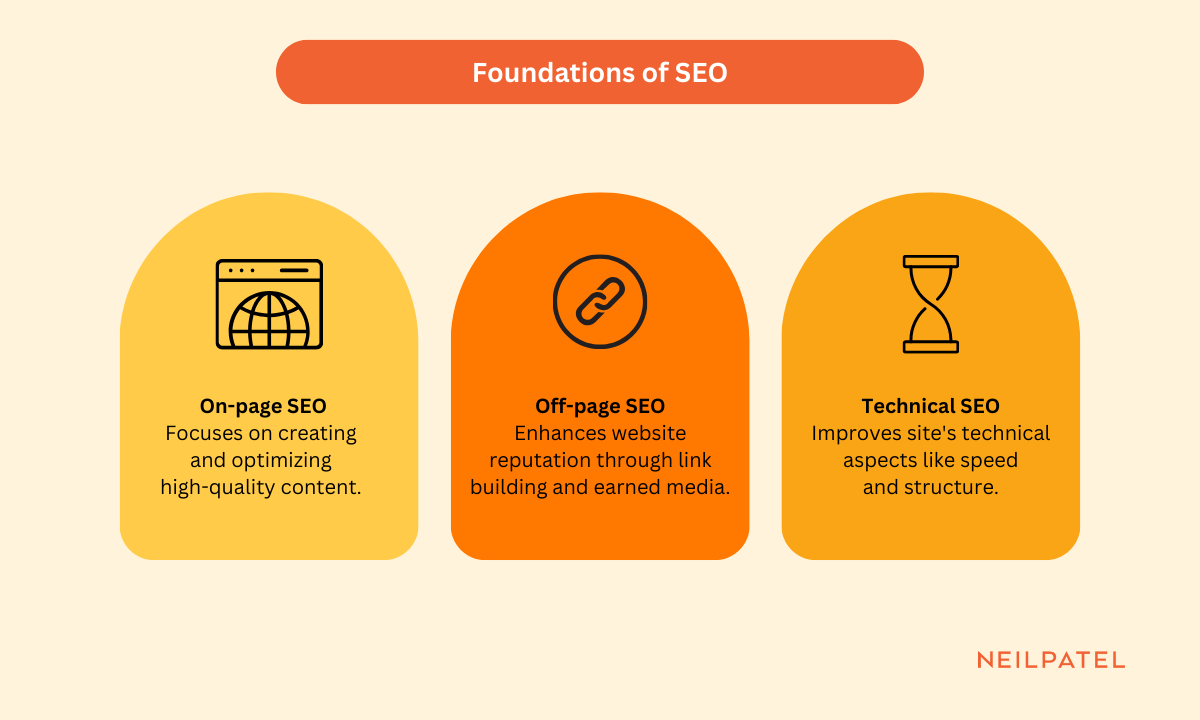
Think of this as a regular website health check . By using powerful, free tools, you can play detective and uncover the critical issues holding your site back. We're hunting for the low-hanging fruit —the high-impact fixes that require minimal investment but deliver maximum results. 🕵️ Your Essential Toolkit: Free SEO Audit Tools You can get surprisingly far with a handful of powerful, no-cost platforms. These three are the bedrock of any DIY audit. They provide direct data from Google and a clear view of your site's structure. Forget the expensive subscriptions for now; these free seo audit tools are your starting point. Google Search Console (GSC): This is your direct line to Google. It’s non-negotiable. GSC tells you exactly how Google sees your site, from indexing problems to the keywords people use to find you. Google Analytics (GA): While GSC shows you how people get to your site, GA tells you what they do once they arrive. It provides invaluable data on user behavior, page engagement, and conversion paths. Screaming Frog (free version): This desktop crawler acts like a search engine bot. The free version lets you crawl up to 500 URLs, which is perfect for smaller sites. It's a powerhouse to identify technical seo issues like broken links and metadata errors. The Triage Process: How to Prioritize SEO Fixes Finding issues is easy. Knowing which ones to tackle first is the real challenge. You can’t fix everything at once, so you need to prioritize seo fixes based on a simple formula: impact versus effort. A typo on a low-traffic page? Low impact. A broken link on your main product page? High impact. Focus your energy where it counts the most. Tool Primary Focus & Use Case Google Search Console External view: How Google sees and ranks your site (indexing, performance, errors). Google Analytics Internal view: How users behave on your site (traffic, engagement, conversions). Screaming Frog Structural view: The technical architecture of your site (links, metadata, response codes). Key AreasOn-Page SEO Mastery Without Breaking the Bank Let's be honest—not everyone has a massive budget for search engine optimization. The good news? You don't need one. Effective, budget-friendly on-page SEO is less about spending money and more about investing time intelligently. It’s about making strategic tweaks that significantly impact your visibility. Optimizing your web content is one of the highest-ROI activities you can undertake. It directly influences how search engines understand and rank your pages. So, where do you start? 🧐 What Is SEO (Search Engine Optimization)? +New Updates
Your Core On-Page SEO Checklist Think of your web page as a book. Your Title Tags are the cover's title, and your Meta Descriptions are the back-cover summary. They're your first chance to grab a user's attention in search results. Writing SEO-friendly headlines is crucial; they must be compelling enough to earn the click. A well-crafted title tag can improve click-through rates by over 20% . Don't just stuff keywords—entice readers with a clear promise of value. Inside the page, structure is everything. Use Header Tags to create a clear hierarchy. You get one H1 tag per page—make it count. It should be your main headline. Then, use H2 and H3 tags to break down subtopics. This isn't just for search engines; it helps to improve user experience by making your content scannable and easier to digest. A happy user is a signal to Google that your page is valuable. Simple. Effective. Now, let's talk content. The reality is, you need to be careful not to compete with yourself. This is where Keyword Cannibalization becomes a problem. It happens when multiple pages on your site target the same primary keyword. This confuses search engines, and they may rank the wrong page—or neither page well. The bottom line: each page needs a distinct keyword focus to avoid diluting your own authority. It's a common mistake, but thankfully, it's fixable. Beyond the Basics: Strategic Linking and Media Great on-page SEO goes beyond just text on a page. How you connect your content matters immensely. Strategic internal linking is your secret weapon for building topical authority. It’s not about randomly adding links. It’s about creating a logical web that guides both users and search engine crawlers from one relevant piece of content to another. This practice keeps visitors on your site longer and distributes "link equity"Unlocking Free Traffic: Affordable Keyword Research & Content Strategy Let's be honest. Driving organic traffic feels like an uphill battle, especially when you're on a tight budget. You can't just throw money at ads and hope for the best. The good news? You don't have to. A smart, data-driven approach is your key to sustainable, content-led growth. It all starts with understanding what your audience is actually searching for. This is where strategic keyword research becomes your secret weapon. 📈 The Foundation: Understanding Search Intent & Long-Tail Keywords Before you write a single word, you need to get inside your customer's head. What problem are they trying to solve? That's the core of Search Intent . It’s the "why" behind a search query. Someone typing "best running shoes" has a different intent than someone typing "what is pronation." Ignoring this difference is a recipe for failure. You simply won't rank if your content doesn't match the user's goal.
This is where a long-tail keyword strategy shines. Instead of targeting hyper-competitive one-word terms, you focus on longer, more specific phrases. Think "affordable waterproof trail running shoes for women" instead of just "running shoes." These long-tail keywords are less competitive and often convert better. In fact, they can have a click-through rate 3% to 5% higher than generic searches . The reality is, this is how you find low-competition keywords you can actually win. Your Toolkit: Affordable Tools for SEO Keyword Research You don't need expensive subscriptions to get started. There are fantastic and affordable tools for seo keyword research that are completely free. These tools provide the data you need to make informed decisions about your content. The trick is knowing how to use them together to get a complete picture. Here’s a quick breakdown of our top picks. Tool Best For Google Keyword Planner Finding commercial keywords and understanding search volume trends directly from Google. AnswerThePublic Visualizing questions, prepositions, and comparisons related to your topic—perfect for brainstorming. Ahrefs Free Keyword Generator Getting keyword difficulty scores and discovering related keyword ideas from a top-tier data source. From Keywords to Authority: Building Your Content Strategy So, you have a list of keywords. Now what? A list isn't a strategy. The goal is to build Topical Authority . This means proving to search engines that you're an expert on a specific subject. You do this by creating a clusterBeyond Your Website: Leveraging Social Media and Free Platforms for SEO Gains You’ve meticulously optimized your on-page elements. Your content is stellar. But what about the world outside your domain? The reality is, a huge part of modern SEO happens off your site. It’s about building a presence and reputation across the web. This is where a smart social media integration SEO strategy becomes your most powerful tool for growth. Let's explore how to turn these platforms into SEO assets. 📈 Social Media as a Signal Amplifier Look, Google has been coy about the direct impact of social shares on rankings. While social links themselves don't pass PageRank , the activity surrounding them sends powerful social media signals . Think about it. When your content gets shared widely, it earns more visibility. This leads to more people seeing your brand, talking about your brand, and potentially linking to your content from their own websites. It's a virtuous cycle. More shares mean more eyeballs, which often translates into more backlinks and traffic. This activity helps search engines understand that your content is valuable and relevant. So, while a 'like' isn't a direct ranking factor, the buzz it generates absolutely is. It's one of the most fundamental off-page SEO basics that people often overlook. Building Your Brand Ecosystem on Free Platforms 🤝 Your goal is to build brand authority , and you can't do that in a vacuum. You need to use external platforms as powerful content distribution channels . It’s not just about posting links; it's about demonstrating your E-E-A-T (Experience, Expertise, Authoritativeness, Trustworthiness) where your audience already spends their time. Platforms like LinkedIn and Twitter are perfect for this. Here's a practical approach. Don't just drop a link to your new blog post. On LinkedIn , write a thoughtful summary or a personal story related to the article's topic. On Twitter , create a thread breaking down the key takeaways. This approach doesn't just beg for clicks—it provides immediate value and encourages engagement. This active participation showcases your expertise directly on the platform, which helps drive referral traffic from an engaged audience that already sees you as a credible source. And don't forget platforms built on expertise. Answering relevant questions on Quora or republishing a refined version of your article on Medium (with a canonical tag pointing to your original post, of course) places your knowledge in front of new, highly interested audiences. You're building a web of authority that
Introduction
It's no secret—the world of B2B content marketing is moving at lightning speed. You're constantly pressured to produce more, personalize better, and prove ROI on a tight budget. But how can you scale without sacrificing quality? The reality is, many teams are struggling to keep pace. Actually, 64% of B2B marketers cite content creation challenges as a top concern. It's a relentless cycle of ideate, create, and distribute that often leads to burnout and diminishing returns.
This is where Artificial Intelligence (AI) steps in—and it's a true game-changer. It's not just about chatbots anymore. We're talking about a fundamental shift in the future of digital marketing. A smart AI-driven content strategy helps you analyze massive SEO datasets in seconds, generate hyper-relevant topic clusters, and even draft initial content. This shift is crucial for effective lead generation and deep personalization at a scale that was previously unimaginable. It's about working smarter. 🤖
Traditional vs. AI-Enhanced Content At-a-Glance
Traditional Content Approach
AI-Enhanced Content Approach
Manual keyword and topic research
Automated data analysis and opportunity spotting
Generic, broad-audience content
Hyper-personalized content at scale
The bottom line? Ignoring AI is no longer an option if you want to enhance customer engagement and stay competitive. This guide cuts through the noise. We’ll break down exactly how you can integrate AI into your B2B content marketing workflow, from initial strategy to final analysis. You'll walk away with actionable insights. Ready to begin?
Table of Contents
Is a table of contents (ToC) just for show? Not even close. It’s one of the most functional—and often overlooked—elements for both user experience (UX) and SEO. Think of it as a roadmap for your content. It guides users and search engine crawlers through your article, ensuring everyone finds exactly what they need without getting lost. The reality is, this simple feature can dramatically improve your content's performance.
The Dual Benefits: UX and SEO
For your readers, a ToC offers immediate clarity. They can scan your main points and jump directly to the section that solves their problem. This improves engagement and reduces bounce rates. Why would you make them scroll endlessly? A clickable ToC respects their time and provides a much better user experience. It’s a small detail that shows you’ve considered their journey.
For search engines, a ToC provides critical structural cues. It helps crawlers understand the hierarchy and key topics of your page. This can lead to Google awarding your article with "jump to" links directly in the search results. These rich snippets are powerful, as they can increase click-through rates by up to 30%. It's a clear signal to Google that your content is well-organized and valuable. 🗺️
Without a ToC
With a ToC
Higher bounce rates
Improved user engagement
Poor content navigation
Enhanced SERP visibility (jump links)
Difficult for crawlers to parse
Clear content structure for SEO
Main Body Sections
Okay, you have your goals. Now for the engine room of your strategy. ⚙️ This is where the magic happens. The reality is, this isn't just busywork. It’s where abstract goals become an actionable plan for strategic content creation.
1. Defining Your Foundation: Audience and Pillars
But where do you actually start? You begin with people. You'll need to define your core Audience Persona. This isn't just a demographic sketch; it's a deep dive into their needs, using customer journey mapping to understand their questions at every stage. Then, establish your Content Pillars. These are the core topics your brand will own. Think of them as your north star—guiding every single piece you create.
2. Execution and Measurement
With your foundation set, it's time for action. Choose your primary Distribution Channels. Don't try to be everywhere at once. Focus where your audience lives. Remember, content marketing gets three times more leads than paid search, but only if it reaches the right people. Finally, define your Performance Metrics. These aren't vanity numbers; they're the data-driven insights that prove your ROI and inform future decisions.
Here's a quick breakdown of channel types:
Channel Type
Primary Goal
Organic (SEO, Social)
Build long-term trust and authority.
Paid (PPC, Social Ads)
Generate immediate traffic and leads.
Supporting Elements
So, you've assembled a team of top-tier talent. That's a great start, but it's not the whole picture. The reality is that individual brilliance doesn't automatically create a high-performing unit. What truly unlocks potential? It's the environment you build around them. Effective team collaboration depends on a set of crucial supporting elements that act as the scaffolding for success. Without them, even the best people can't reach their peak performance.
Key Pillars for High-Performing Teams
Look, it all begins with a foundation of trust. This is where Psychological Safety comes in. It's the single most important factor found in successful teams.Google's Project Aristotle proved it. When your team members feel safe to take risks and be vulnerable, they're free to innovate. This safety net allows them to rally around Clear Goals without the fear of failure holding them back.
Then there’s Mutual Accountability 🤝. It's a game-changer. Instead of a top-down model, this approach empowers the team to hold each other to high standards. It’s not about blame; it's about shared ownership. Modern performance management systems are designed to support this—shifting from simple tracking to facilitating peer feedback and collective progress. It’s a powerful cultural shift.
Top-Down Accountability
Mutual Accountability
Manager is the sole enforcer.
Peers hold each other responsible.
Focus on individual failure.
Focus on collective problem-solving.
Practical Value Section
So, how do you translate theory into tangible results? It's a critical question. You're not just looking for an interesting idea; you need a framework that delivers measurable outcomes for your business. The reality is that the approach you choose directly impacts everything from team morale to your bottom line. Let’s break down the real-world differences.
Comparing Methodologies: A Head-to-Head Look
Choosing the right framework isn't just a matter of preference—it’s a strategic decision. While traditional models offer structure, modern iterative approaches often boost project success rates significantly. In fact, agile projects are 28% more successful than traditional ones. But what does that look like in practice? The difference lies in adaptability and feedback.
Feature
Iterative Model (e.g., Agile)
Flexibility
High; changes are welcomed.
Feedback Loop
Continuous and short.
Client Involvement
High and consistent.
Risk Mitigation
Early and ongoing.
The bottom line is clear. An iterative model allows you to pivot quickly based on real-time feedback, which is something a rigid, upfront plan simply can't offer. You're building and testing in short cycles. This means you spot problems sooner and can deliver value to stakeholders much faster. Plus, it fosters a culture of collaboration and continuous improvement that pays dividends long after the project is complete. It’s about making progress you can see. 📈
Avoiding Costly Pitfalls: Common SEO Mistakes That Drain Your Budget and Time You're investing in SEO to grow your business, not to watch your budget disappear. But that's exactly what can happen when you fall for common traps. The reality is, many well-intentioned strategies fail because they're built on flawed or outdated principles. Let's walk through the most common seo mistakes to avoid . Protecting your investment starts with knowing what not to do. It’s about building a strategy that delivers real ROI. Chasing Illusions: Vanity Metrics and Outdated Tactics Are you tracking the right numbers? A costly error is focusing on vanity metrics . A top ranking or a surge in traffic looks impressive in a report, but what does it actually mean for your bottom line? If those visitors aren't engaging, subscribing, or buying, it's just noise. Instead, focus on metrics that matter—like conversion rates, lead quality, and customer lifetime value. Then there are the old-school tactics that just won't die. Chief among them is Keyword Stuffing . Forcing your keyword into a page repeatedly makes for an awful reading experience 🤖. Plus, it directly violates Google's Webmaster Guidelines . Today's algorithms are sophisticated. They prioritize natural language and user intent, so creating low-quality content filled with keywords will only hurt you. Forgetting the Human: Poor UX and Content Blunders Look, Google’s primary goal is to satisfy its users. A Poor User Experience (UX) is a direct signal that your site isn't up to the task. Factors like confusing navigation, intrusive pop-ups, and slow load times send users bouncing away. This tells search engines your page isn't a good result, which can tank your rankings. A massive part of modern UX is Ignoring Mobile SEO . It's a non-negotiable. Mobile devices now generate over 60% of all website traffic globally . If your site isn't responsive and easy to use on a smartphone, you're alienating the majority of your potential audience. It’s that simple. This all ties back to the substance of your site. Pages with Thin Content —those with little to no real value—fail to answer the user's query. They're a dead end. Every piece of content you publish should have a clear purpose and provide genuine solutions for your audience. Neglecting Your Digital Foundation You could have award-winning content, but it won't matter if search engines can't properly access it. That's the danger of neglecting technical seo . This is the invisible architecture of your site:
Key Takeaways
What Is SEO and How Does it Work
How does cheap seo optimization work
Why is cheap seo optimization important
Frequently Asked Questions
What Is SEO and How Does it Work?
SEO, or Search Engine Optimization, is the practice of enhancing your website to rank higher in search engine results, driving valuable organic traffic. It’s not about tricking Google; it's about making your site the best possible answer for a user's query. So, how does it actually work? It involves improving your site's technical health, optimizing on-page elements like title tags and content, and building authority. For a startup or small business, this doesn't have to break the bank. You can start by performing a DIY audit with free tools like Google Search Console to pinpoint high-impact fixes. This strategic, cost-effective approach proves that great SEO is about being smart, not just spending big.
How does cheap seo optimization work?
Cheap SEO optimization works by prioritizing high-impact, low-cost strategies over expensive agency retainers. It’s not about cutting corners; it’s about smart resource allocation. You start by conducting a DIY audit using free tools like Google Search Console to pinpoint critical technical issues. From there, the focus shifts to mastering on-page SEO fundamentals—optimizing title tags, meta descriptions, and content for relevant keywords, often using efficient AI tools to streamline the process. So, how do you compete without a massive budget? You focus relentlessly on the foundational tasks that directly impact user experience and search engine crawling. This approach builds a solid, scalable base for organic growth without the significant upfront investment, proving that effective SEO doesn't have to be expensive.
Why is cheap seo optimization important?
Cheap SEO optimization is vital for early-stage ventures because it levels the digital playing field. It's not about ineffective shortcuts; it's about smart, strategic resource allocation. For startups and solopreneurs, this means focusing on high-impact fundamentals like DIY audits to find quick wins and mastering on-page SEO without a hefty price tag. Why is this so important? Because it allows you to build organic visibility, attract your first users, and gather crucial feedback to validate your MVP—all on a shoestring budget. This approach proves that a lean, targeted strategy can effectively compete against incumbents, making every dollar work harder to secure that initial market traction and funding.
What are the benefits of cheap seo optimization?
The primary benefit of cheap SEO optimization is achieving sustainable growth and a positive ROI without a massive budget. It's about being strategic, not just frugal. For startups and small businesses, this means focusing on high-impact, low-cost actions like conducting a DIY audit with free tools and mastering on-page SEO for your core pages. This targeted approach allows you to build a solid foundation, attract early users, and gather feedback—all crucial for securing that next round of funding or validating your product. Plus, it empowers you to compete effectively by making every marketing dollar count. Why spend a fortune when a smarter, leaner strategy can deliver the foundational visibility you need to get off the ground? This efficient path ensures you're investing in long-term organic traffic from day one.
Ready to Transform Your Content?
Start creating better content with AI-powered tools today. Join thousands of content creators who are already using Copycrafted.