SEO for clients is the comprehensive service of managing a business's search engine optimization strategy to boost its organic visibility and drive qualified web traffic. It's a dynamic process involving deep keyword research, technical audits, strategic content creation, and link building tailored to achieve specific marketing objectives.
Strategic Keyword Targeting: Identify high-intent keywords that align directly with the client's products and services, ensuring you attract the most relevant and conversion-ready search traffic.
Scalable Content Creation: Consistently produce high-quality, SEO-optimized blog posts and landing pages that answer user questions and effectively build the client's topical authority.
Technical Site Health: Conduct regular audits to resolve issues like slow page speed, poor mobile usability, and indexation errors for a strong, search-friendly foundation.
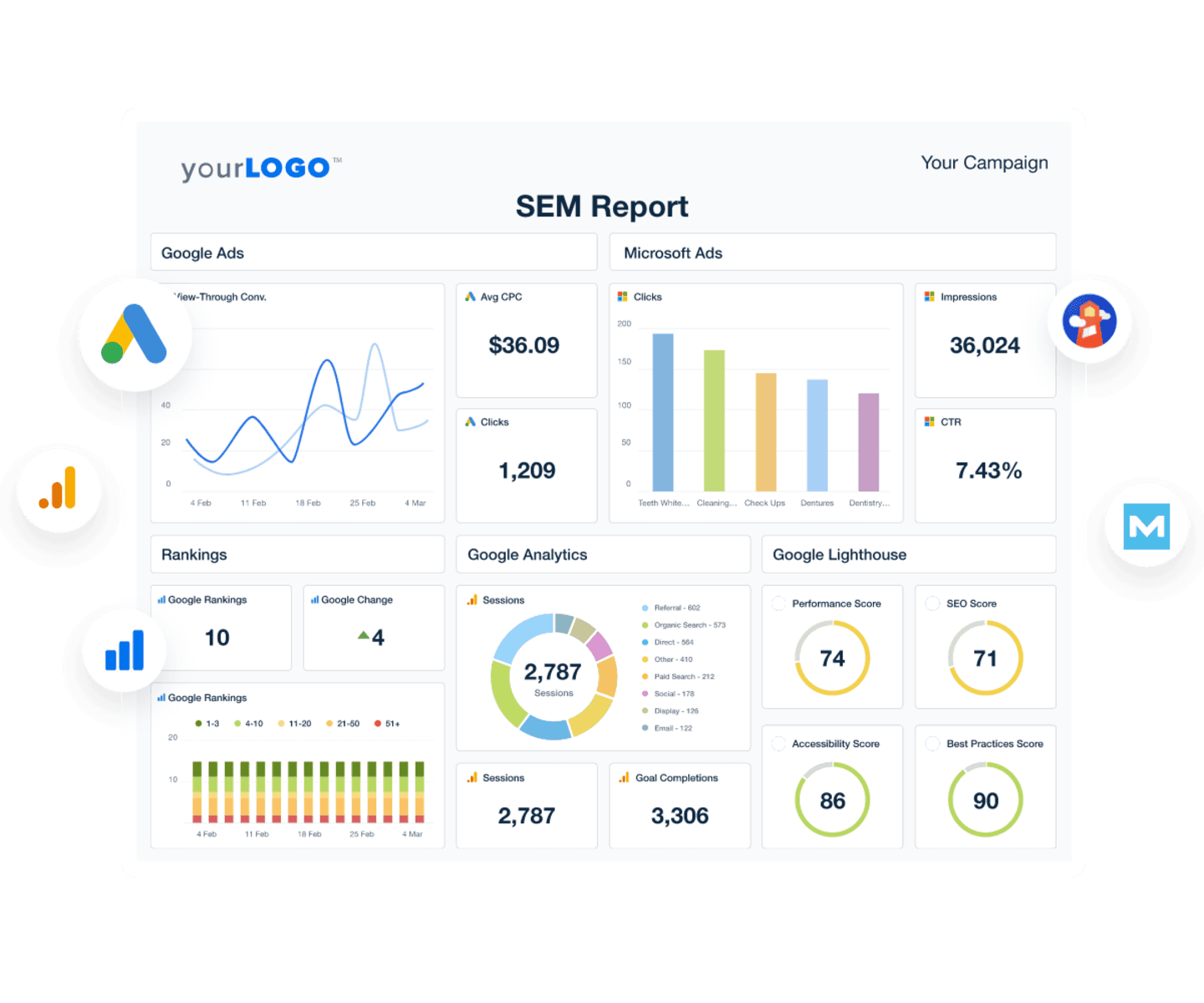
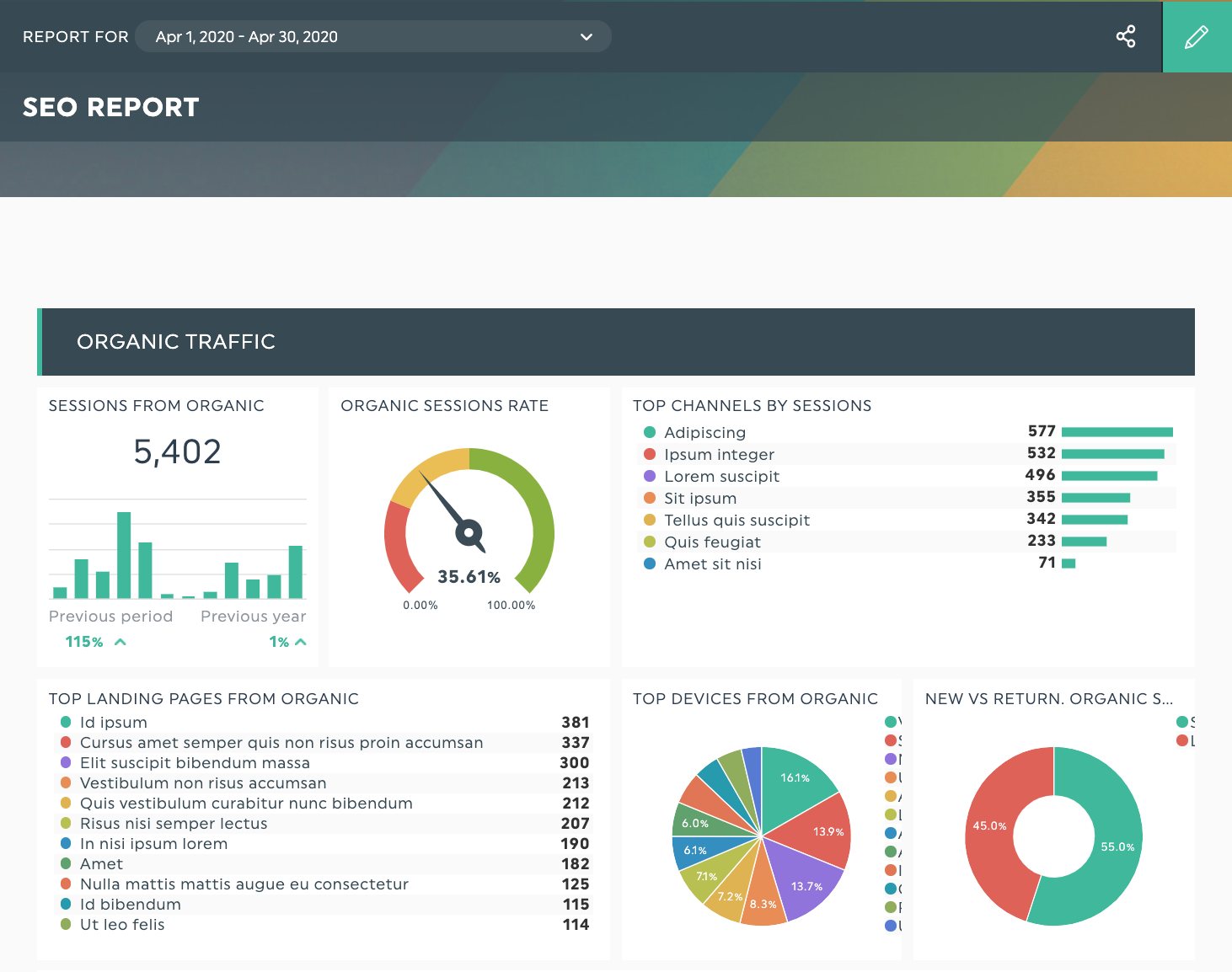
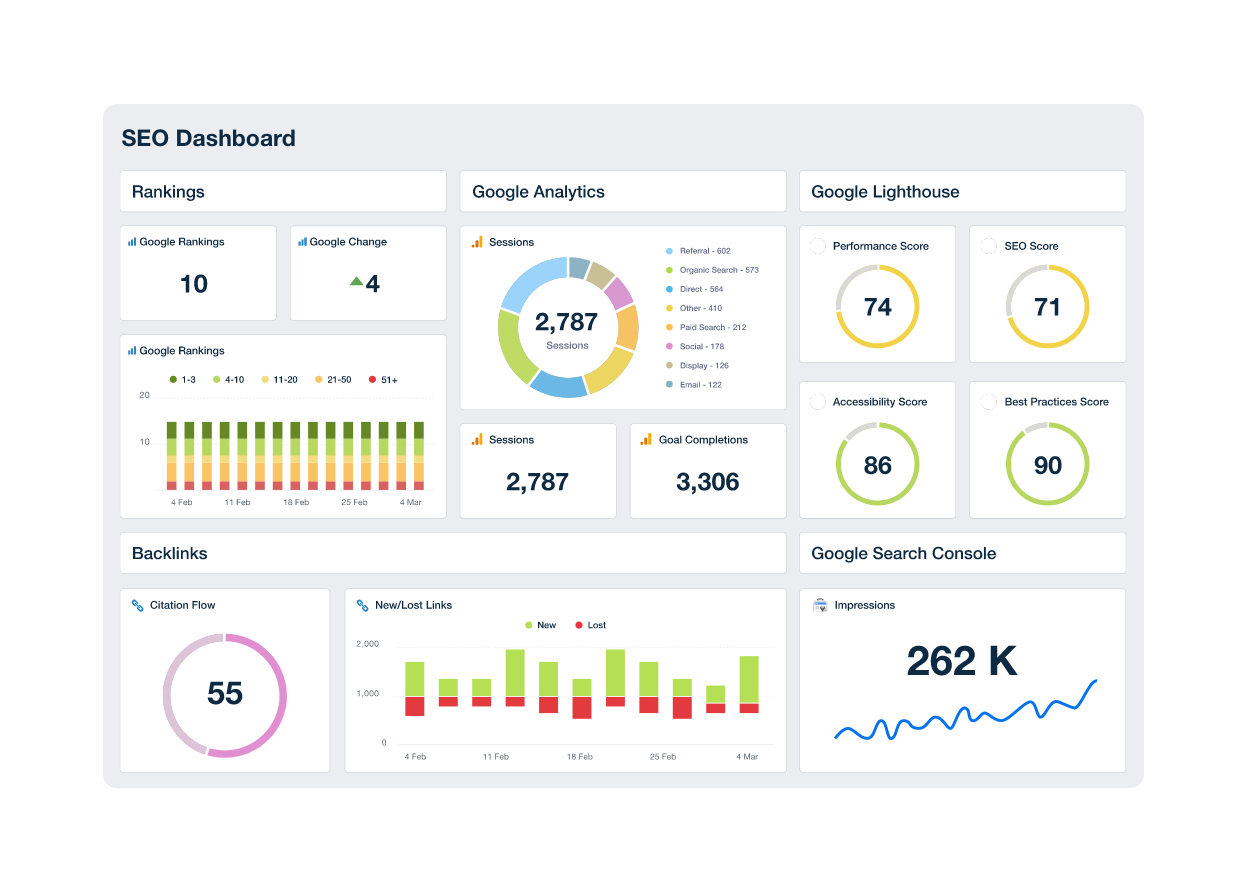
Transparent Performance Reporting: Deliver clear reports tracking key metrics like organic traffic, keyword rankings, and conversions to prove tangible ROI and justify your ongoing strategy.
Introduction: Navigating the High-Stakes World of Client SEO
Let's be honest. Delivering exceptional SEO for clients is one of the toughest gigs in digital marketing. It's a constant balancing act. You're juggling technical audits, content calendars, and link-building campaigns. All while managing personalities, budgets, and sky-high expectations. The pressure to deliver tangible results—not just rankings, but real, measurable organic growth—is immense. This isn't just about keywords anymore; it's about becoming a strategic partner in your client's success. 📈
Create SEO Reports for Clients That Drive Results - AgencyAnalytics
The reality is, many agencies struggle to move from a chaotic, reactive process to a proactive, scalable one. You know the feeling. You land a new client, and the initial excitement quickly gives way to the grind of execution and reporting. The core challenge for any modern digital marketing agency isn't just doing good SEO. It's building a system that delivers consistently great SEO, client after client, without burning out your team. It’s about creating a truly scalable seo strategy.
The Agency Dilemma: Balancing Scalability with Performance
Growth is the goal, right? But unmanaged growth can cripple an agency. Each new client adds another layer of complexity to your operations. More reports. More meetings. More frantic emails. Soon, you're spending more time on client management than on the actual work that drives results. This is where many promising agencies hit a wall. They simply can't scale their high-touch client seo services effectively.
The bottom line is always the same: you have to prove the ROI. Clients don't pay for effort; they pay for outcomes. A staggering 65% of businesses say that generating traffic and leads is their biggest marketing challenge. This is the problem they hire you to solve. So, how do you build a system that not only delivers those leads but also clearly demonstrates your value every single month? How do you make your impact undeniable?
Create SEO Reports for Clients That Drive Results - AgencyAnalytics
Why Managing Client Expectations is Half the Battle
Here's the thing. SEO is a long game. We know it, you know it, but does your client truly understand it? Probably not. The chasm between the reality of SEO timelines and client expectations is where relationships break down. Managing client expectations is arguably as critical as your technical expertise. It requires clear communication, transparent reporting, and a whole lot of patience. 🤝
You can be implementing a technically flawless strategy. But if the client expected to be on page one in 30 days, they're going to be unhappy. This is the human side of SEO for clients. It involves educating, guiding, and sometimes, resetting expectations from day one. You're not just an SEO provider; you're an educator and a trusted advisor. This dual role is essential for long-term retention and success.
A New Era of Efficiency: The Role of AI in SEO
So, how do you scale excellence and keep clients happy? The answer doesn't lie in working longer hours. It lies in working smarter. And today, that means embracing technology. Specifically, AI content creation is revolutionizing how agencies operate. It’s no longer a futuristic concept; it's a practical tool for achieving scalable organic growth right now. It's about augmenting your team's talent, not replacing it.
Tools like Copycrafted.ai are designed specifically for this challenge. They empower your agency to produce high-quality, SEO-optimized content at a scale that was previously unimaginable. This frees up your top strategists to focus on what they do best—complex problem-solving, competitive analysis, and high-level client management. By integrating AI, you can build a more efficient, profitable, and scalable service delivery model. 💡
What You'll Learn in This Guide
This guide is your blueprint for mastering client SEO. We're moving beyond the basics of keywords and backlinks. We'll dive deep into the systems, strategies, and tools you need to thrive. You'll discover how to structure a scalable seo strategy that works for any client. We'll give you actionable frameworks for managing client expectations and communicating value effectively.
Most importantly, we'll show you how to leverage cutting-edge solutions like Copycrafted.ai to streamline your AI content creation process. You'll learn how to build a powerful engine for organic growth that allows you to confidently prove the ROI every time. It's time to stop just surviving the demands of client work and start building a thriving, scalable SEO agency. Let's get started.
The Strategic Blueprint: Aligning SEO with Client Business Goals
Let's be honest. An SEO strategy that doesn't directly support a company's bottom line is just a costly hobby. We've all seen reports filled with impressive-looking graphs showing traffic spikes and keyword rankings. But if the C-suite can't draw a straight line from that activity to revenue, it’s all just noise. The reality is, successful SEO isn't about chasing algorithms; it's about driving tangible business outcomes. It’s a strategic partnership. 🤝 Strategic Blueprint: Aligning SEO
How to create the ultimate SEO report for your clients
This alignment doesn't happen by accident. It requires a deliberate, structured approach from the very beginning. It's about translating high-level business objectives into a concrete, measurable SEO action plan. Without this blueprint, you're essentially flying blind, hoping that ranking for a few keywords will somehow, magically, lead to growth. It won't.
The Foundation: The SEO Kickoff Meeting
Everything starts here. The initial seo kickoff meeting is more than a formality; it's a deep-dive discovery session. This is your chance to stop talking about SEO and start listening. What keeps the CEO up at night? Are they trying to increase market share, launch a new product, or reduce customer acquisition costs? Forget about keywords for a moment. You need to understand the core client's business goals first.
Look, you can't build a roadmap without knowing the destination. Ask probing questions. Is the primary goal lead generation? E-commerce sales? Brand visibility in a new market? The answers you get in this meeting will dictate every single decision you make moving forward. This is the moment you establish yourself as a strategic partner, not just a vendor.
Defining SEO Success: From Vague to Valuable
Once you understand the objectives, it's time for defining seo success in concrete terms. This means moving beyond feel-good metrics and establishing clear, measurable goals. This is where SMART goals (Specific, Measurable, Achievable, Relevant, Time-bound) come into play. A vague goal like "increase traffic" becomes "Increase organic demo requests from non-branded keywords by 20% in Q3." See the difference? One is a wish; the other is a plan.
A crucial part of this process is educating your client on vanity metrics vs business metrics. While rankings and traffic are important indicators, they don't pay the bills. The focus must be on metrics that directly reflect business impact. It's a fundamental shift in perspective that aligns everyone on what truly matters.
Vanity Metrics vs. Business Metrics: A Quick Comparison
Vanity Metrics (Feels Good)
Business Metrics (Drives Growth)
Keyword Rankings for broad terms
Conversion Rate from Organic Traffic
Total Organic Traffic
Number of Qualified Leads from Organic
Impressions or Social Shares
Organic Customer Lifetime Value (CLV)
Time on Page
Organic Revenue / Return on Ad Spend (ROAS)
Mapping the Battlefield: Analysis and the Customer Journey
With clear goals, you can now build the strategy. This phase begins with a thorough competitor analysis. Who are you up against? What are they doing well, and where are the gaps you can exploit? This isn't just about spying; it's about understanding the competitive landscape to carve out your unique space. It informs everything from content creation to backlink strategy.
Next, we connect strategy to user intent through keyword mapping. This isn't just about finding high-volume keywords. It's about mapping specific keywords to different stages of the customer journey—from initial awareness to final purchase. A user searching for "what is CRM" has very different needs than someone searching for "Salesforce vs HubSpot pricing." Your content must meet them at each step.
Measuring What Matters: KPIs and Quarterly Business Reviews 📈
How do you know if the plan is working? You track the right Key Performance Indicators (KPIs). These aren't the vanity metrics we discussed earlier. Your KPIs should be the measurable components of your SMART goals. If your goal is to increase demo requests, your primary KPI is just that—the number of organic demo requests. Companies that track their KPIs are far more likely to achieve their objectives.
Finally, alignment is an ongoing process. It’s not a "set it and forget it" task. The quarterly business review (QBR) is the essential forum for maintaining this connection. It’s where you report on progress against those core business objectives, discuss what's working, and pivot your strategy based on real-world data. This regular check-in ensures the SEO strategy remains a living, breathing component of the company's growth engine, not a forgotten line item in the marketing budget.
Table of Contents
Ready to explore the future of search? We've designed this guide to be your complete roadmap. It's a deep dive, covering everything from foundational concepts to advanced, actionable strategies. We'll show you how AI is changing the game. In fact, AI-driven strategies can boost lead generation by over 50%. Use the links below to jump directly to the section that interests you most. It’s all here. 👇 Table Contents
Create SEO Reports for Clients That Drive Results - AgencyAnalyticsCreate SEO Reports for Clients That Drive Results - AgencyAnalytics
Inside This Guide
What Exactly is AI-Powered SEO?
The Core Benefits of Integrating AI
Top AI Tools Revolutionizing SEO Today
A Practical Guide to AI Implementation
Common Pitfalls and How to Avoid Them
The Future of AI in Search 🚀
Create SEO Reports for Clients That Drive Results - AgencyAnalyticsDeconstructing SEO: The Three Core Pillars of a Winning Strategy SEO isn't a single action; it's a symphony of coordinated efforts. To truly master search engine optimization, you need to understand its three fundamental pillars. Think of it like building a house. You need a solid foundation, well-designed rooms, and a great reputation in the neighborhood. Neglect one, and the whole structure becomes unstable. The same goes for your website's visibility. 📈 We'll break down Technical SEO, On-Page SEO, and Off-Page SEO. Each plays a distinct yet interconnected role in how search engines—and users—perceive your site. Let's dive into what they are, why they matter, and how you can start implementing them effectively.
1. Technical SEO: Building a Flawless Foundation ⚙️ Before you worry about content or links, you have to ask a critical question: can search engines even access and understand your website? That's where Technical SEO comes in. It’s the groundwork that makes everything else possible. If your site’s technical health is poor, even the best content in the world won't rank. It's that simple. The first step is always a comprehensive technical seo audit . This process uncovers issues with site speed, crawlability, indexation, and mobile-friendliness. You're essentially giving your website a health check-up to find and fix problems that might be holding you back. Don't skip this. It's the blueprint for your entire SEO strategy. A major focus here is on user experience signals, particularly Google's Core Web Vitals . These metrics—Largest Contentful Paint (LCP), First Input Delay (FID), and Cumulative Layout Shift (CLS)—measure how quickly your pages load and become interactive. Google uses these as a ranking factor because slow, clunky sites frustrate users. The reality is, a user who has a bad experience is a user who won't return. Key Technical SEO Elements: Crawlability & Indexability: Ensuring search engine bots can easily find and add your pages to their index. This involves optimizing your robots.txt file and XML sitemap. Site Architecture: Creating a logical site structure that helps both users and search engines navigate your content efficiently. A clean structure supports a strong internal linking strategy . Schema Markup: This is a powerful tool. Schema markup is code you add to your site to help search engines understand your content more deeply. It can result in rich snippets in search results, like star ratings or event details, which can dramatically improve click-through rates . 2. On-Page SEO: Crafting Content That Resonates ✍️ With a solid technical foundation, you can now focus on the content itself. This is the realm of On-Page SEO . It involves optimizing individual web pages to rank higher and earn more relevant traffic. It’s about creating content that satisfies both user intent and search engine algorithms. What are people looking for, and how can you provide the best possible answer? A successful approach requires a structured content creation workflow . This isn't just about writing. It starts with deep keyword research, moves to competitor analysis, and then to creating high-value content that's expertly written and properly formatted. Every page should have a clear purpose and target a specific audience. This is especially critical when handling local seo for clients , where content must be tailored to specific geographic areas. Here's the thing: Google's standards for content quality have skyrocketed. That’s why E-E-A-T (Experience, Expertise, Authoritativeness, and Trustworthiness) is so crucial. You must demonstrate that your content is reliable and created by someone with real-world knowledge. This means including author bios, citing credible sources, and showcasing your credentials. It’s about proving you’re a legitimate authority in your field. Finally, your internal linking strategy is a powerhouse for On-Page SEO. By linking relevant pages within your own site, you help search engines understand the relationship between your content. Plus, you guide users to other valuable resources on your site, keeping them engaged longer. It’s a win-win. 3. Off-Page SEO: Building Authority and Trust 🔗 So, your site is technically sound and filled with amazing content. Now what? You need to build its reputation across the web. That’s the job of Off-Page SEO . This pillar involves all the actions you take outside of your own website to impact your rankings. It's fundamentally about building authority and trust. The core of Off-Page SEO is backlink acquisition . When another reputable website links to yours, it's like a vote of confidence. It tells search engines that your content isSupporting Elements: The Backbone of Your SEO Strategy Great SEO isn't just about brilliant keyword research or acquiring high-authority backlinks. The truth is, world-class execution falls apart without a rock-solid support system. It’s the framework that holds everything together. This system is how you prove your value, keep projects on track, and turn data into decisions. How do you build one that doesn't just work, but actually accelerates your results? It starts with the right tools and processes. We're talking about the engine room of your SEO efforts. This includes everything from the software you use to the way you report progress. Think of it as the combination of your technology, reporting, and management. Getting these supporting elements right is non-negotiable for sustainable growth and strong client relationships. Building Your Tech Stack: Tools of the Trade 🛠️ Look, you can't build a house without a hammer and nails. The same goes for SEO. `Building your tech stack` is the first critical step. Your stack is your personalized collection of software that helps you analyze, execute, and monitor your strategy. It doesn't need to be complicated, but it does need to be effective. For most professionals, it boils down to a few key areas. First, you need a source of truth for website performance. That's where Google Analytics 4 comes in. It’s the foundation for understanding user behavior, traffic sources, and conversion tracking. It tells you what’s happening on your site. But what about the landscape *off* your site? That’s where the industry heavyweights come into play. You’ll need a comprehensive SEO platform for competitive analysis, keyword research, and backlink tracking. The two biggest names in the game are Ahrefs and Semrush . Both are incredibly powerful, but they have different strengths. Choosing between them often comes down to specific needs and user interface preference. Many users find Semrush's keyword data slightly more robust, while Ahrefs is often praised for its superior backlink index . So, which one is for you? Let's break it down. Feature Ahrefs Semrush Primary Strength Backlink analysis and index size. Its "Content Explorer" is also a powerhouse. All-in-one marketing toolkit. Stronger in PPC, social media, and market research tools. Keyword Research Excellent data, particularly with its "Keyword Difficulty" score andSERP analysis. Vast keyword database with powerful tools for topic clustering and intent analysis. Site Audits Fast, comprehensive technical SEO audits with clear, actionable recommendations. Robust site auditing capabilities that integrate well with its other on-page SEO tools. User Interface Often seen as cleaner and more intuitive for pure-SEO professionals. Can feel more complex due to the sheer number of tools, but highly customizable. Mastering SEO Reporting: From Data to Dialogue Having the best data means nothing if you can't communicate its meaning. This is where effective SEO reporting becomes your most valuable asset. Gone are the days of sending a static, 50-page PDF that nobody reads. Today, it’s all about creating dynamic, easy-to-digest dashboards that tell a clear story about performance and progress. Your goal is to transform data into a meaningful dialogue. Enter Looker Studio (formerly Google Data Studio). This free tool is a game-changer. It connects directly to sources like Google Analytics 4 , Google Search Console, and even data from Ahrefs or Semrush via third-party connectors. You can build a custom `monthly seo report` that updates in real-time. This isn't just a report; it's a living dashboard your clients can access anytime. But wait—a great report isn't just a collection of charts. It's the cornerstone of `client communication`. Your dashboard should directly answer the most important questions. Are we hitting our goals? What did we accomplish last month? What's the plan for next month? This proactive approach is fundamental to `setting clear expectations`. When clients see progress mapped directly to the goals you agreed on, trust skyrockets. Effective communication can improve client retention by over 70% . Streamlining Your Workflow: Effective Project Management 📈 So, you have your data and your reports. Now, how do you manage the actual work? SEO isn't a one-and-done task. It’s a complex series of interconnected activities. A blog post needs to be written, a technical fix needs to be implemented, and outreach emails need to be sent. Without a system, chaos is inevitable. This is why mastering the art of `managing seo projects` is so crucial. Effective project management provides the structure for your strategy. Tools like Asana, Trello, or Monday.com are essential for breaking down large SEO initiatives into actionable tasks. You can assign owners, setThe Practical Value: From Theory to Tangible ROI 📈 Let's be honest. The buzz around AI can be deafening. It’s easy to get lost in abstract concepts and futuristic promises. But what does this technology actually do for your content strategy today? The reality is, its most immediate and powerful application lies in solving a timeless marketing problem: scaling quality content without an infinite budget or team. For years, businesses have faced a difficult choice. You could produce a high volume of mediocre content or a small amount of exceptional content. Trying to do both often led to burnout and diminishing returns. This is where a smart, structured approach to AI changes the game entirely. It’s not about magic; it's about a better process. Reimagining Your Content Workflow with AI Think about your current content workflow . How many manual steps exist between an idea and a published post? It probably involves research, outlining, drafting, editing, SEO checks, and formatting. Each step is a potential bottleneck. Now, imagine compressing that timeline significantly. That’s the core benefit of an ai-assisted workflow . This isn't about firing your writers and letting robots take over. It’s the opposite. It’s about empowering your talented team by removing the drudgery. The goal is to evolve your editorial process into a strategic, high-impact function. You want your experts focusing on nuance, brand voice, and unique insights—not on writing the same introductory paragraph for the tenth time. This is the human-in-the-loop model in action. The Anatomy of an AI-Powered Editorial Process ⚙️ So, what does this look like day-to-day? Transforming your process from keyword to published article requires a new structure. It's a symbiotic relationship between human strategy and machine efficiency. Here’s a breakdown of a modern, effective workflow. 1. Strategic Briefing and AI-Assisted Outlining Everything still starts with human strategy. Your team identifies the keywords, target audience, and core objectives. But instead of building a brief from scratch, you can use AI tools to analyze top-ranking competitors and generate data-driven outlines. This ensures your content is structured for SEO success from the very beginning, saving hours of manual SERP analysis. 2. First-Draft Generation with a Platform like Copycrafted.ai This is the acceleration point. You feed the strategic brief into an advanced AI content generation platform. A tool like Copycrafted.ai doesn't just spit out generic text. It creates a comprehensive, well-structured first draft based on your specific inputs and SEO parameters. This draft becomes the raw material—the clay—for your team to mold. It handles about 80% of the foundational writing work in minutes, not days. 3. The Critical Human-in-the-Loop Review The first draft is never the final product. Your subject matter experts and editors now step in. Their job is elevated. They're not wrestling with a blank page. Instead, they're refining, fact-checking, injecting brand voice, and adding unique stories or data points. This human touch is what separates great content from the noise. It ensures accuracy, authenticity, and strategic alignment, which AI alone can't guarantee. 4. Streamlined Optimization and Publishing The final steps are also ripe for efficiency gains. SEO automation tools can quickly scan the refined draft for keyword density, internal linking opportunities, and readability scores. This replaces tedious manual checklists. Once optimized, the content can be pushed directly to your CMS, dramatically shortening the final leg of the journey from keyword to published article . This entire system is designed to scale content production without the typical decline in quality. Why This Model Works: Scaling Without Sacrificing Quality Does this approach actually work? The data says yes. Over 60% of B2B marketers report that AI helps them produce more content in less time . But it’s more than just volume. By automating the most time-consuming parts of the content workflow , you free up your best minds to focus on strategy and creativity. The result is a higher standard of content, produced at a pace that was previously unimaginable. This is how you drive real growth . More high-quality, relevant content means more opportunities to rank, attract organic traffic, and engage your audience. You’re not just filling a calendar; you’re building a library of assets that consistently perform. The efficiency gains directly translate into a higher ROI on your content marketing investment. A Concrete Example: Using Copycrafted.ai to Accelerate Growth 🚀 Imagine your B2B SaaS company is launching a major new feature set. You need to create a cluster of 30 in-depth articles to capture relevant search traffic. The old way? That’s a full quarter
Key Takeaways
How do you get your clients for SEO
How does seo for clients work
Why is seo for clients important
Frequently Asked Questions
How do you get your clients for SEO?
We acquire high-value SEO clients primarily through inbound marketing and strategic referrals. Our own website and content serve as a live case study, ranking for competitive terms and demonstrating our ability to align SEO with tangible business goals, such as increasing organic conversions. We don't just sell tasks; we sell a strategic blueprint. By showcasing our systematic approach to on-page, technical, and off-page SEO—and our focus on translating business objectives into clear KPIs—we attract sophisticated clients looking for a true growth partner. This consultative positioning, backed by proven results, naturally generates qualified leads who are already convinced of our expertise. After all, what better way to prove you can deliver results than by having clients find you first?
How does seo for clients work?
SEO for clients works by transforming your business objectives into a measurable, data-driven growth strategy. It's not just about keywords; it's about results. The process begins with a strategic blueprint, aligning your core goals (like boosting sales) with specific SEO KPIs. So, how does this plan turn into action? Execution is then meticulously managed across three pillars: On-Page SEO to optimize your content, Technical SEO to ensure your site is flawlessly indexed, and Off-Page SEO to build your brand's authority. This structured approach is paired with transparent reporting, tracking progress against your KPIs and allowing the strategy to be refined and scaled for maximum impact. Simply put, it’s a system for turning search engine visibility into tangible business value.
Why is seo for clients important?
SEO for clients is vital because it directly translates your core business objectives into measurable digital growth. It's not just about rankings; it's about achieving tangible results that drive your bottom line, like increasing sales or boosting organic conversions from high-intent keywords. A strategic SEO blueprint aligns every action—from technical fixes to content creation—with your specific goals, ensuring a sustainable return on investment. Plus, this data-driven approach builds long-term brand authority and provides the clear performance metrics often required to secure funding and scale your operations effectively. Aren't you looking for a marketing channel that delivers consistent, qualified leads and a distinct competitive advantage? That's what client-focused SEO delivers.
What are the benefits of seo for clients?
The primary benefit of SEO for your business is driving sustainable, long-term growth. It's not just about rankings; it's about translating your core business goals—like increasing sales or securing user feedback—into a measurable digital strategy. A solid SEO plan, encompassing on-page, technical, and off-page tactics, boosts your organic visibility and builds brand credibility, attracting customers who are actively searching for your solution. Plus, it delivers a higher ROI than many paid channels. Why wouldn't you want a cost-effective engine for attracting qualified leads and gathering crucial market data 24/7? Simply put, SEO delivers tangible results that directly impact your bottom line.
How do I get started with seo for clients?
Getting started with SEO for clients begins with a strategic blueprint, not just a list of tasks. Your first step is to translate the client's core business objectives—like increasing sales—into concrete SEO KPIs, such as boosting organic conversions from non-branded keywords. You'll establish this during a structured kickoff call. From there, your execution plan should focus on the three essential pillars: On-Page SEO (content and keyword optimization), Technical SEO (site audits and performance), and Off-Page SEO (building authority). But how will you prove your value? By setting up clear, goal-oriented reporting from day one, you'll connect every SEO activity directly to their business growth, ensuring you're seen as a strategic partner.
What are the best practices for seo for clients?
The best practices for client SEO begin with a strong strategic foundation. It's not just about tasks; it's about results. You must first translate a client's core business objectives, like a 15% sales increase, into tangible SEO KPIs, such as boosting non-branded organic conversions. This alignment is critical and should be set during your initial kickoff call. Your execution plan should then systematically address the three core pillars: on-page (high-quality, optimized content), technical (site health and speed), and off-page SEO (authority building). To deliver results efficiently, consider leveraging systems and AI tools. After all, how can you prove your value if you don't tie your efforts directly to their bottom line?
Ready to Transform Your Content?
Start creating better content with AI-powered tools today. Join thousands of content creators who are already using Copycrafted.