Website Audit: An Overview
A website audit is a comprehensive analysis of your site's performance, identifying issues and opportunities related to SEO, user experience, and content effectiveness. It's essentially a health check that diagnoses problems preventing you from reaching your target audience and achieving key business goals.
- Technical & On-Page SEO Analysis: This involves checking your site's technical health, on-page elements, and backlink profile to uncover critical issues that are hurting your search engine rankings.
- Content Effectiveness Review: You'll evaluate content quality, keyword targeting, and engagement metrics to ensure your articles and pages actually resonate with your audience and drive conversions.
- User Experience (UX) Assessment: Assess your website's navigation, mobile responsiveness, and overall user journey to reduce bounce rates and improve visitor satisfaction and retention.
- Competitive Benchmarking: This process benchmarks your performance against key competitors to identify content gaps, strategic opportunities, and areas where you can gain a distinct advantage.
Who should use this: Marketing teams, business owners, and startups aiming to boost organic traffic, improve conversion rates, and make data-driven decisions to enhance their overall online presence.
Introduction: Unlocking Your Website's Full Potential
You've invested time, resources, and creativity into your website. It looks great. It represents your brand perfectly. But here's the tough question: is it actually performing? For many businesses, the answer is a frustrating mix of uncertainty and disappointment. You see stagnant traffic, low engagement, and a trickle of leads when you expected a flood. This gap between potential and performance is where many digital strategies falter.
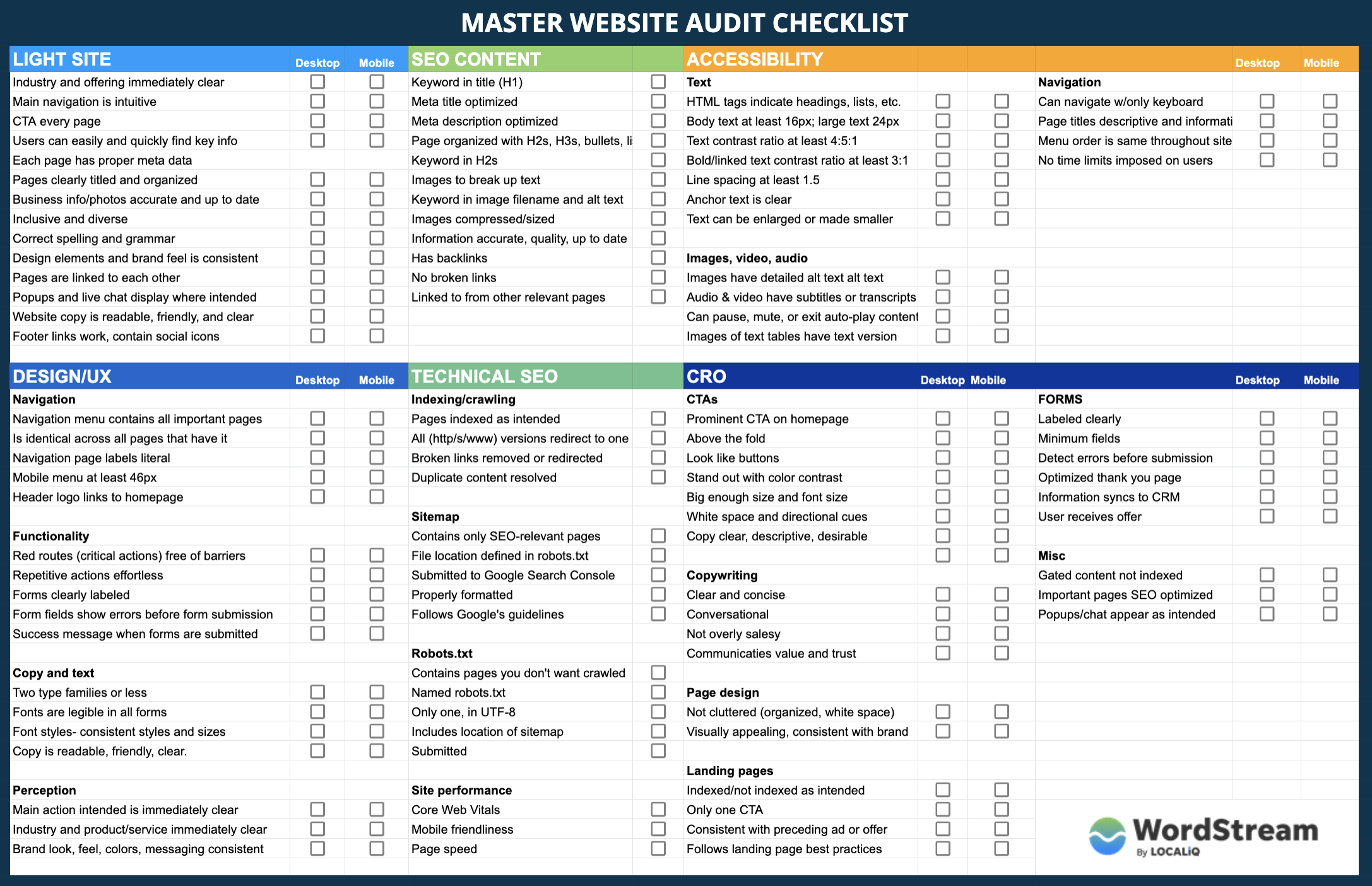
The reality is, a modern website is a complex ecosystem. Its success doesn't hinge on a single factor. Instead, it's a delicate balance of technical health, compelling content, and seamless functionality. When something is off, it can be incredibly difficult to pinpoint the exact cause. Is it a technical glitch? Is the content not resonating? Or is the user journey simply broken? Trying to guess is a losing game.
From Guesswork to Growth: The Power of a Strategic Audit
This is where a comprehensive website audit moves from a "nice-to-have" to an absolute necessity. Think of it as a complete check-up for your digital presence health. It’s a systematic process designed to diagnose performance issues across the three critical pillars of digital success: Search Engine Optimization (SEO), user experience (UX), and conversion rates. These elements are deeply interconnected; poor UX can harm your SEO, and weak SEO means fewer users ever experience your site to convert. 📈
Ignoring this process means you're flying blind. You might be creating content that Google can't find or building pages that frustrate users into leaving. A proper audit cuts through the noise. It provides the actionable insights you need to make informed decisions—decisions that directly fuel organic traffic growth and improve your bottom line. After all, the top result on Google gets an average click-through rate of 27.6%, so visibility is everything.

But what happens after the audit reveals content gaps or underperforming pages? That's where the real work begins. The audit might show you need better keyword targeting or more engaging website copy. This is where modern AI platforms can be a game-changer. For example, a tool like Copycrafted.ai can help you act on audit findings instantly. It offers services like Keyword Discovery to find new opportunities and SEO-Optimized Article Writing to fill content gaps, streamlining the path from diagnosis to resolution.
In this guide, we'll walk you through every step of conducting a powerful website audit. You’ll learn how to analyze your site's technical foundation, evaluate your content's effectiveness, and optimize for a user experience that drives conversions. Let's get started. 🚀
The Core Pillars of a Comprehensive Website Audit 🗺️
Ever feel like you're creating great content but still not seeing the rankings you deserve? The reality is, what you don't see can hurt you. A thorough website audit goes beyond a simple checklist; it's a deep diagnostic of your site's health. It uncovers the hidden issues holding you back. Think of it as an annual physical for your digital presence. It's the only way to build a strategy based on data, not guesswork. audit: Technical SEO, Content
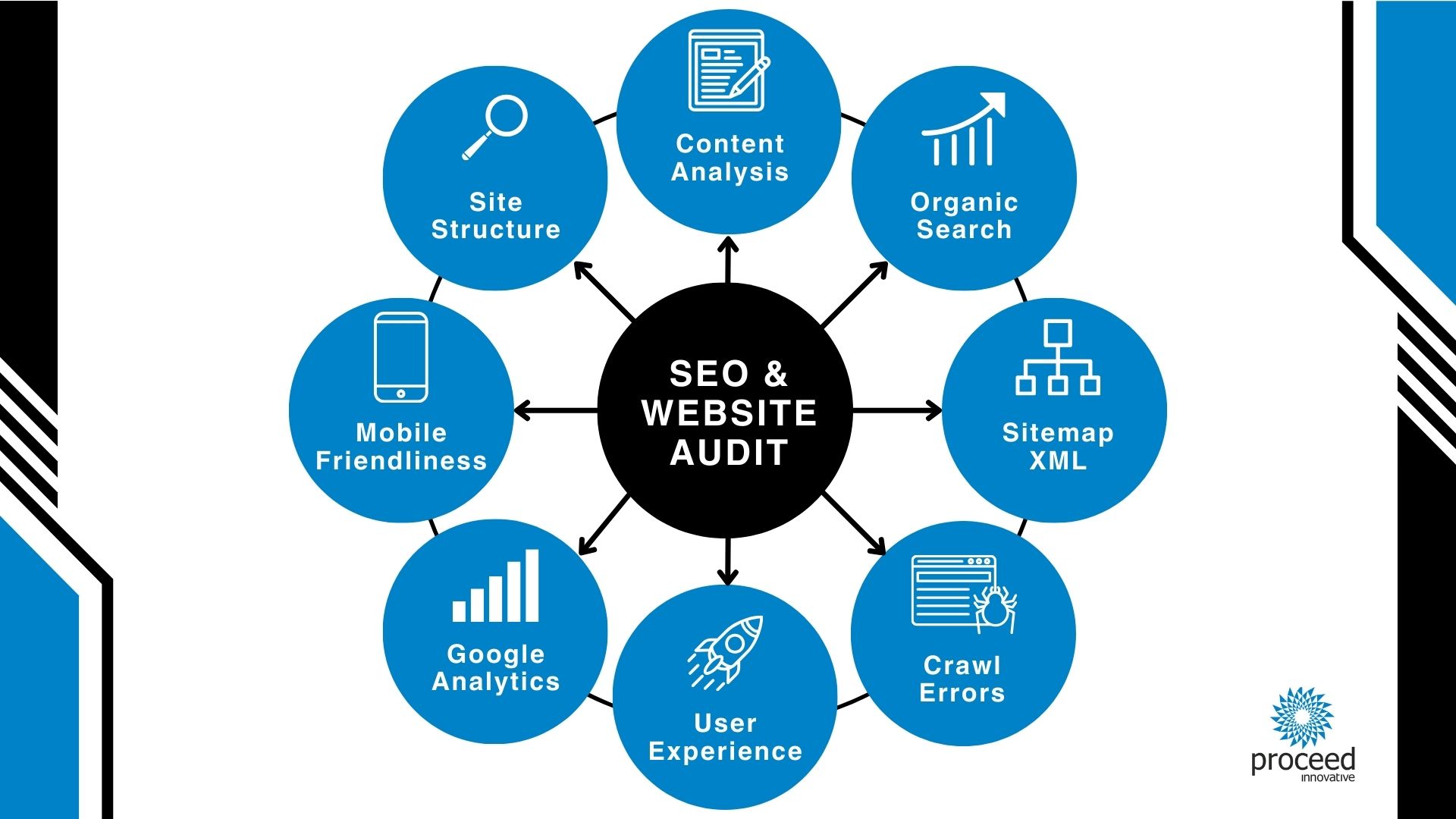
So, what are the key components of a website audit? We can break this complex process down into three fundamental pillars. Each one examines a different facet of your SEO performance. Together, they provide a complete picture of your strengths, weaknesses, and opportunities for growth. Let's dive in.
Pillar 1: Technical SEO and Site Health ⚙️
First things first: your technical foundation must be solid. Technical SEO ensures that search engines can find, crawl, and index your website without any issues. If Google can't properly access your content, nothing else matters. It's the digital plumbing of your site, and even a small leak can cause big problems.
This is where we analyze your site architecture and crawlability. Is your site structure logical? Are there broken links or redirect chains confusing crawlers? Tools like Screaming Frog act as a private crawler, simulating how search engines see your site and flagging errors. Paired with insights directly from Google Search Console, you get a powerful diagnostic toolkit. These tools help pinpoint issues like slow page speed, which can cause nearly 70% of consumers to abandon a purchase.
Pillar 2: Content Quality and On-Page Optimization 📝
With a clean technical bill of health, we turn to your content. A Content Audit is a systematic review of all the content on your site. The goal? To assess its performance, relevance, and overall quality. Is your content actually serving your audience and your business objectives? Or is it just taking up space?
Here, we focus on content quality and relevance, guided by Google's E-E-A-T (Experience, Expertise, Authoritativeness, and Trustworthiness) principles. We also scrutinize all on-page SEO elements—from title tags and meta descriptions to header usage and internal linking. Improving these elements across hundreds of pages can be a monumental task. This is where an AI-powered platform like copycrafted becomes invaluable. Its SEO-Optimized Article Writing and Website Text Generation features can help you efficiently update and enhance your content to meet E-E-A-T standards and improve your on-page signals.
Pillar 3: Off-Page Authority and Backlink Analysis 🔗
Finally, an audit must look beyond your own domain. Your website's authority is heavily influenced by external factors, primarily your Backlink Profile. These off-page authority signals tell search engines that other reputable sites vouch for your content. Think of high-quality backlinks as letters of recommendation for your website. They're a powerful trust signal.
Analyzing your backlink profile involves identifying who links to you, the quality of those links, and the anchor text they use. A healthy profile consists of links from relevant, authoritative sources. Conversely, a profile full of spammy, low-quality links can trigger penalties and tank your rankings. A comprehensive audit uncovers toxic links that need to be disavowed and identifies opportunities for earning new, high-value ones. It's all about building your digital reputation.
Essential SEO Audit Tools at a Glance
Main Body Sections: Your Step-by-Step Website Audit Process
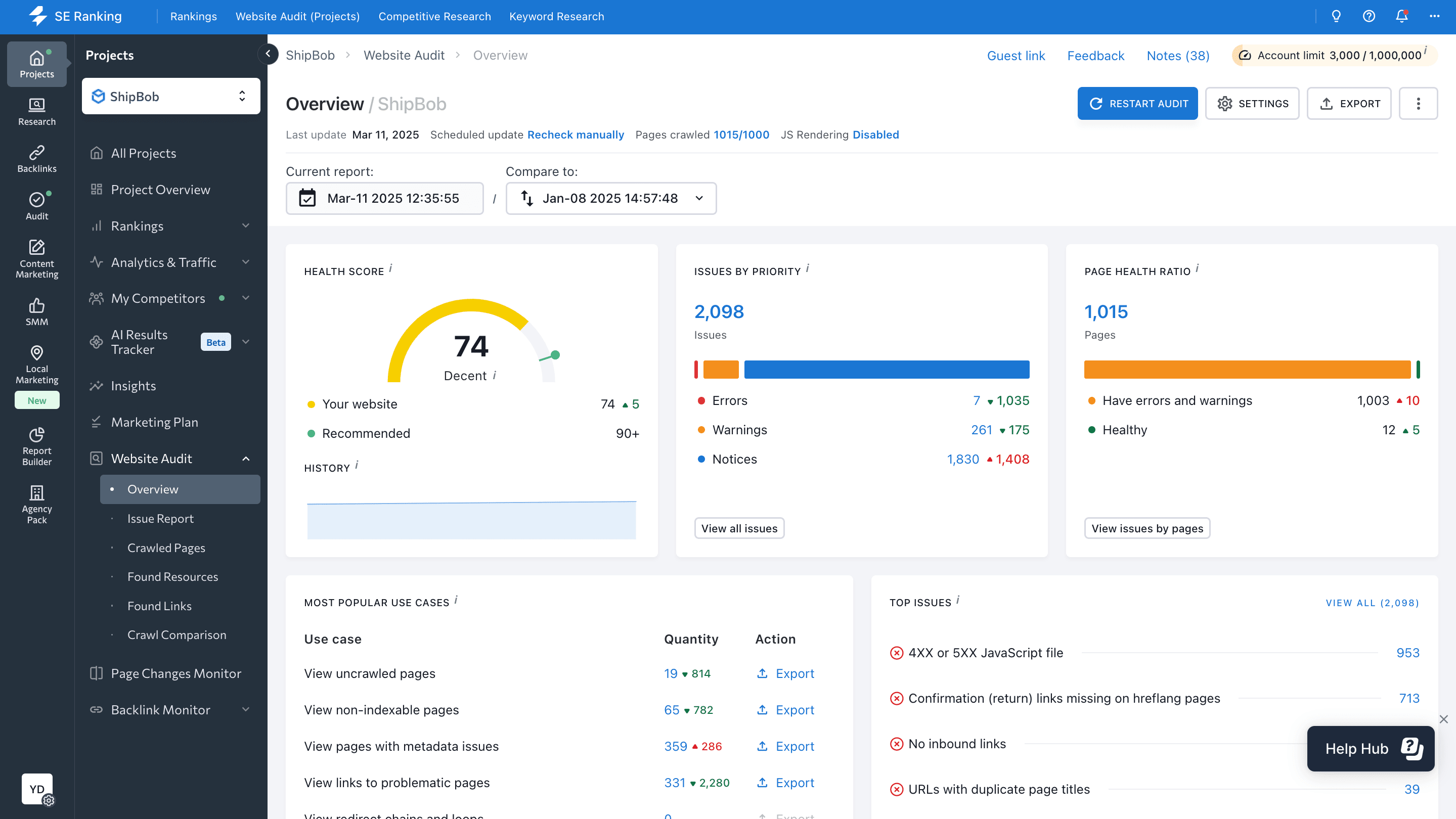
An SEO audit can feel overwhelming. You know you need one, but where do you even start? The reality is, a structured audit isn't just a health check—it's a strategic roadmap for growth. Breaking it down into manageable phases transforms a daunting task into a clear, actionable plan. This is your definitive step-by-step website audit process. We'll walk through everything from tooling up to deep content analysis, giving you the insights needed to climb the SERPs. Website Audit Process SEO
Phase 1: Choosing the Right Audit Tools 🛠️
Look, you can't build a house without a hammer, and you can't conduct a thorough audit without the right software. Your first step is assembling your toolkit. For comprehensive site crawling and backlink analysis, industry-standard platforms like Ahrefs and SEMrush are invaluable. They provide a wealth of data that forms the backbone of your technical review. Don't forget Google's free powerhouses, either. You absolutely need Google Analytics for user behavior data and PageSpeed Insights to diagnose performance bottlenecks.
And for the content side? Modern AI platforms can be a game-changer. For instance, after you identify content weaknesses, a tool with SEO-Optimized Article Writing capabilities, like the one offered by copycrafted, can help you fill those gaps quickly. Choosing the right audit tools means creating a stack that covers technical, performance, and content needs seamlessly.
Phase 2: The Technical Deep Dive
Now, it's time to get your hands dirty. The goal here is uncovering technical issues that hold your site back. Using a tool like SEMrush or Ahrefs, you’ll initiate a site crawl. This process mimics how search engine bots see your website, revealing a host of potential problems. It's a treasure hunt for errors. You're looking for things that disrupt user experience and crawlability.
The key is analyzing crawl data effectively. Focus on critical errors first: broken links (404s), improper redirects, and duplicate content issues. Google flags duplicate content as a signal of lower-quality, so it's a priority fix. Then, use PageSpeed Insights to check your Core Web Vitals. Slow load times are a known ranking-killer. Fixing these technical snags provides a solid foundation for all your other SEO efforts. It’s that simple.
Phase 3: Evaluating Content Performance 📝
A technically sound website with mediocre content won't get you very far. This phase is all about evaluating content performance. What's working, what's not, and where are the opportunities? Start in Google Analytics. Identify pages with high traffic but low engagement or high bounce rates. These are your "leaky buckets" that need immediate attention.
Next, use your SEO suite to find your top-performing pages and, more importantly, to identify Content Gaps. What keywords are your competitors ranking for that you aren't? This analysis reveals the exact topics you need to cover. Once you have this list, you need to act. This is where an AI-powered platform shines. With a solid Keyword Discovery feature and an integrated Website Text Generation tool, you can create high-quality, optimized articles to fill those gaps far more efficiently than writing everything from scratch.
Phase 4: Bringing It All Together
The final step is synthesis. You've gathered technical data, performance metrics, and content insights. Now, you must prioritize. Create a clear action plan that tackles the highest-impact issues first—often, these are major technical errors or glaring content holes. The audit document should be a living roadmap, not a static report that gathers dust. And remember, this isn't a one-and-done task. SEO is a marathon, and regular audits are your checkpoints to ensure you're still on the right track.
Supporting Elements: Turning Competitor Insights into Your Advantage
Look, creating great content in a vacuum is a recipe for disappointment. You can write the most brilliant article, but if it doesn't align with market realities, it simply won't perform. That’s where supporting elements come in. It’s not about copying what others do. It’s about strategically understanding the competitive landscape so you can innovate, differentiate, and ultimately, win the audience's attention. The goal is to use data to make smarter decisions and build a content plan that has a real impact.
The reality is, your competitors are already providing answers to your target audience. Your job is to do it better. By systematically evaluating their strengths and weaknesses, you can identify strategic opportunities and carve out a unique space for your brand. This isn't just busywork—it's the foundation of a dominant content presence.
Conducting a Thorough Competitor Analysis 🕵️
A true Competitor Analysis goes far beyond a quick glance at a rival's homepage. It’s a deep dive. It involves systematically analyzing competitor websites, their social media channels, and their overall digital footprint. What's their brand voice? How do they structure their information? What calls-to-action are they using? You're essentially putting on your detective hat to understand their playbook, which helps clarify your own Market Positioning.
The bottom line is to figure out what they do well and where they fall short. Perhaps their blog posts are informative but lack visual appeal. Or maybe their product descriptions are weak. Every weakness you find is an opportunity for you to shine and **strengthen your market position**. This process isn't about imitation; it's about informed innovation.
Uncovering Opportunities with Gap Analysis
So, you've analyzed the competition. Now what? The next step is gap analysis, where you pinpoint specific, actionable opportunities. This is where you can truly reverse engineer their success and find openings they’ve missed. Two key areas to focus on are the keyword gap and the backlink gap.
- Keyword Gap: A Keyword Gap analysis reveals the valuable keywords your competitors are ranking for, but you aren't. Why let them own that traffic? Finding these terms manually is nearly impossible, but tools make it straightforward. Platforms like Ahrefs, Semrush, or copycrafted's built-in Keyword Discovery tool can quickly show you these high-potential keywords, giving you a ready-made list of topics to target.
- Backlink Gap: Similarly, a Backlink Gap analysis identifies websites linking to your competitors but not to you. These backlinks are powerful votes of confidence in the eyes of search engines. Google uses links as a signal for determining the relevancy of pages. Knowing who links to them gives you a direct list of outreach targets to build your own site's authority.
Building a Resilient Content Strategy 🏗️
All this data—from competitor deep dives to gap analyses—feeds directly into your Content Strategy. It’s the framework that guides what you create, when you publish it, and why. Your primary goal here is to find content gaps. Are there entire topic clusters your competitors are ignoring? Could you create a comprehensive guide on a subject they've only touched on briefly? Answering these questions helps you build content that serves the audience in a new and better way.
Once you identify these gaps, speed becomes a competitive advantage. You don't want to wait weeks to get new content out. This is where an AI-powered platform becomes invaluable. For instance, you can use a tool like copycrafted for its SEO-Optimized Article Writing capabilities to quickly generate high-quality drafts that fill those identified gaps. You can go from opportunity discovery to a published, optimized article in a fraction of the time, helping you rapidly **identify strategic opportunities** and act on them before anyone else does.